

 See My Latest Article on HelloNation
What Does Mold and Mildew Look Like on a Roof?
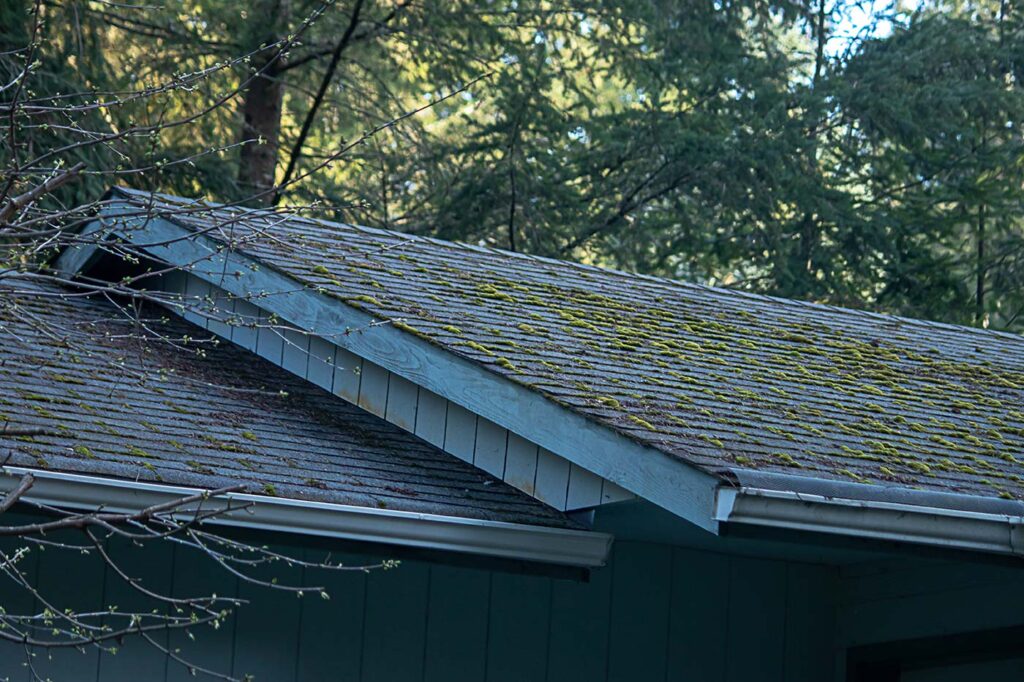
Mold and mildew appear as discolored patches or streaks on roof surfaces, often differing in color and texture from the rest of your roofing material. In Sarasota, where warmth and humidity are common, these growths are usually dark green, black, or sometimes even white. Mold patches are typically fuzzy or slimy, while mildew tends to look powdery or flat.
Common signs include:
- Green, black, or brownish stains in shaded or moisture-prone roof areas
- Streaks running down from roof ridges, vents, or shaded corners
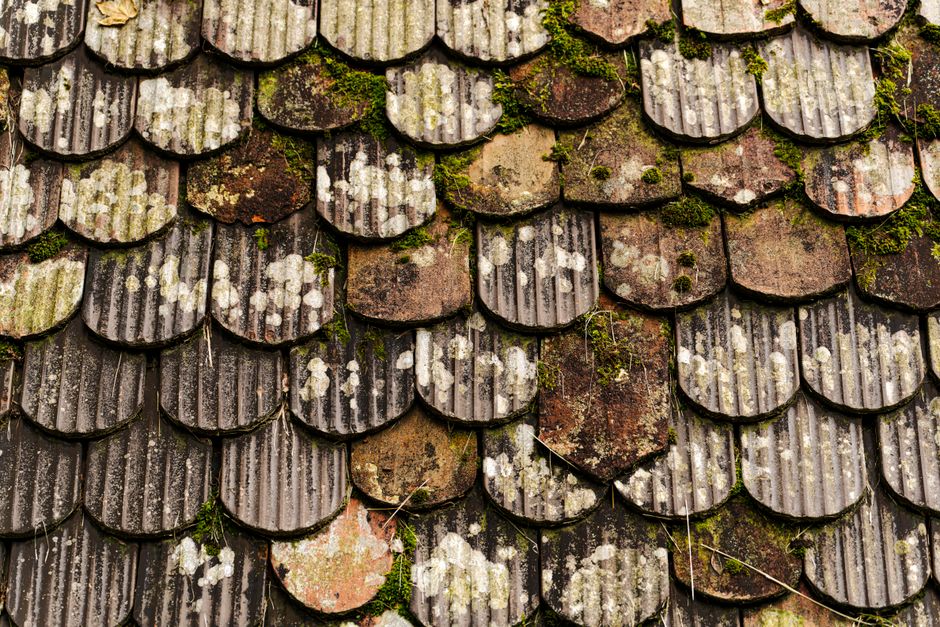
- Powdery patches, sometimes with a gray or white hue, on shingles or tiles
- Moss-like growth, which often starts where debris collects
Visual confusion with dirt or algae is frequent. Algae typically appears as uniform dark streaks, while mold and mildew form more irregular patches. Touching is not recommended, but if you observe fuzzy, raised, or slimy growth, mold or mildew is likely present.
Why Are Roofs in Sarasota Prone to Mold and Mildew?
Roofs in Sarasota are especially vulnerable because the climate provides the perfect breeding ground: high humidity, frequent rainfall, and abundant vegetation. Shade from trees can keep roof surfaces damp longer, allowing spores to settle and thrive. Warm nighttime temperatures mean roofs may not fully dry between showers or dew cycles, especially during the rainy season.
Neighborhoods with overhanging branches or homes set close together can see more persistent roof moisture. Any area where organic matter—such as fallen leaves or pollen—collects is at increased risk.
What Are the Risks of Mold and Mildew on Your Roof?
Mold and mildew can slowly break down roofing materials, leading to premature aging and potential leaks. Over time, these growths hold moisture against the roof, which accelerates granule loss on shingles and can cause tiles to crack or lift. For homes in Sarasota, unmanaged mold and mildew can also seep into attic spaces, contributing to indoor air quality issues.
While surface mold is not always an immediate health threat outdoors, its presence can indicate excess moisture that eventually affects your home’s structure and interior environment. Persistent roof stains can also detract from neighborhood curb appeal and may be cited by local homeowners’ associations.
How Can Residents Distinguish Mold and Mildew from Common Roof Stains?
Direct observation is usually enough to tell the difference. Mold and mildew tend to form irregular, patchy colonies that grow larger over time and may feel fuzzy or damp if touched (avoid direct contact). Unlike dirt, these growths will not wash away with a simple rainfall.
Key differences:
- Mold is usually black, green, or blue-green, and often appears as clusters or speckles.
- Mildew is typically gray or white, and looks more like a film or powder.
- Algae tends to create uniform black streaks rather than patches.
- Pollution stains from nearby roads appear as crusty, evenly distributed dust rather than raised growth.
When Should Homeowners Investigate Roof Stains More Closely?
Any new discoloration on a roof warrants a closer look, especially after a warm, wet period. Pay particular attention after the rainy season or if you notice nearby trees dropping debris. Set aside time to safely inspect roof edges and shaded valleys from the ground using binoculars, or from a neighbor’s vantage point if available.
If stains or patches are growing or recurring after cleaning, it may indicate ongoing excessive moisture or poor ventilation in your attic. Persistent musty odors inside the house or in the attic beneath stained areas are a further reason to look for mold or mildew above.
What Are Safe Ways to Inspect for Mold and Mildew Without Climbing on the Roof?
Most roof mold and mildew can be seen from the ground, especially along edges, near gutters, or where shade lingers. Walk the perimeter of your property and check for:
- Unusual dark or green patches along shingle or tile lines
- Streaking beneath eaves or roof valleys
- Discoloration or fuzzy growths around vents, chimneys, or skylights
If higher areas are hard to see, consider using a hand-held mirror, smartphone camera with a zoom lens, or a drone if one is available and can be flown safely. Inspection should never require walking on the roof unless trained for roof safety, as Sarasota’s humid conditions increase the risk of slips even when growths are not present.
What Maintenance Practices Help Limit Roof Mold and Mildew?
Regular attention to roof hygiene can reduce the risk of persistent mold and mildew. Clearing organic debris (leaves, branches, pollen drifts) from roof surfaces and gutters is particularly important in the city’s leafy neighborhoods. Ensure tree limbs are trimmed back to allow more direct sunlight onto your roof, helping surfaces dry more quickly after rain.
Additional measures to consider:
- Ensure attic spaces are adequately ventilated to reduce humidity buildup below the roof deck
- Rinse roof surfaces with water during the dry season if pollen or debris accumulates
- Periodically inspect and reseal flashing and roof penetrations to prevent leaks that encourage growth
Homeowners associations or local building guidelines sometimes offer recommendations for exterior maintenance frequency, which can be a helpful benchmark.
Are There Common Misconceptions About Mold and Mildew on Roofs?
Many homeowners mistake mold for simple dirt or algae and delay attention until visible roof damage occurs. Another misconception is that Florida sun will quickly dry and sterilize all roof surfaces—shade, humidity, and frequent rain provide ongoing potential for mold and mildew year-round, especially on northern or tree-shaded roof slopes.
A common error is attempting to remove mold with a pressure washer or harsh chemicals without understanding the risk to roofing materials. Over-aggressive cleaning can strip away protective layers, making roofs more—rather than less—susceptible to future growth.
Early recognition and gentle routine maintenance are the best way for area residents to protect both roof health and indoor air quality.