

 See My Latest Article on HelloNation
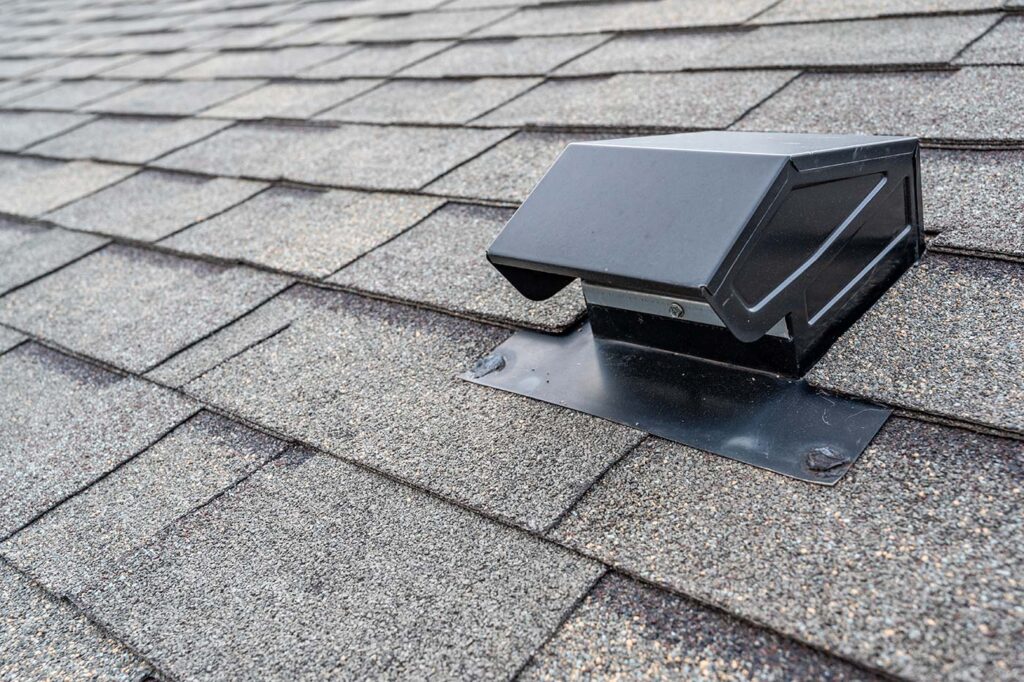
What Is Roof Ventilation and Why Does It Affect Local Homes?
Roof ventilation refers to the system of intake and exhaust vents designed to circulate air through the attic space under a roof. For residents of Sarasota, roof ventilation can have a direct impact on comfort, energy costs, and even the lifespan of a property’s materials.
In the local climate, which features intense sun, high humidity, and frequent rain, properly designed ventilation helps regulate indoor temperatures, control moisture, and protect the structural integrity of a home.
How Does Roof Ventilation Work in Warm, Humid Conditions?
The basic principle of roof ventilation is allowing cool, fresh air to enter an attic (typically through soffit or eave vents) and warm, moist air to escape (usually through ridge or roof vents).
In places with hot summers and high year-round humidity such as Sarasota, this process helps:
- Prevent attic heat buildup, which can raise indoor temperatures
- Remove moisture that would otherwise be trapped, encouraging mold and wood rot
- Support the performance and longevity of roofing materials and insulation
Without adequate airflow, attics can become extremely warm and damp, especially after summer rainstorms or during the hottest months.
What Problems Can Poor Ventilation Cause for the Community?
Poor attic ventilation is often overlooked until a specific issue arises. In this area, common problems linked to insufficient ventilation include:
- Premature aging and curling of asphalt shingles due to excessive heat
- Dampness or mold on roof decking or attic insulation
- Warped wood, rusted nails, or structural deterioration over time
- Higher cooling bills, as hot attic air radiates downward and affects living spaces
- Persistent musty odors or unexplained allergy symptoms traced to hidden mold
Many residents first notice ventilation problems during routine home inspections, energy audits, or when stains and mold patches appear on ceilings or attic structures.
Can Proper Ventilation Lower Energy Bills in Sarasota?
Yes. By allowing hot, humid air to exit and reducing attic temperatures, roof ventilation can help air conditioning systems work less, especially during prolonged heat waves.
For example, on a summer afternoon:
- An attic without ventilation can reach temperatures over 130°F
- A well-ventilated attic may be noticeably cooler, putting less strain on air conditioning
- Over time, this reduces energy consumption and costs for many area households
Proper airflow also helps insulation maintain its effectiveness by preventing moisture accumulation and compaction.
What’s the Connection Between Ventilation and Roof Longevity?
The ability of a roof to endure the local climate depends greatly on ventilation. Prolonged exposure to trapped heat and humidity accelerates the breakdown of roof shingles, underlayment, and wooden framing.
Key risks include:
- Shingles losing granules or blistering well before their intended lifespan
- Decking and rafters developing wood rot or fungal growth
- Increased risk of ice dams if sudden cold fronts strike during cooler months (less common, but still possible during some periods)
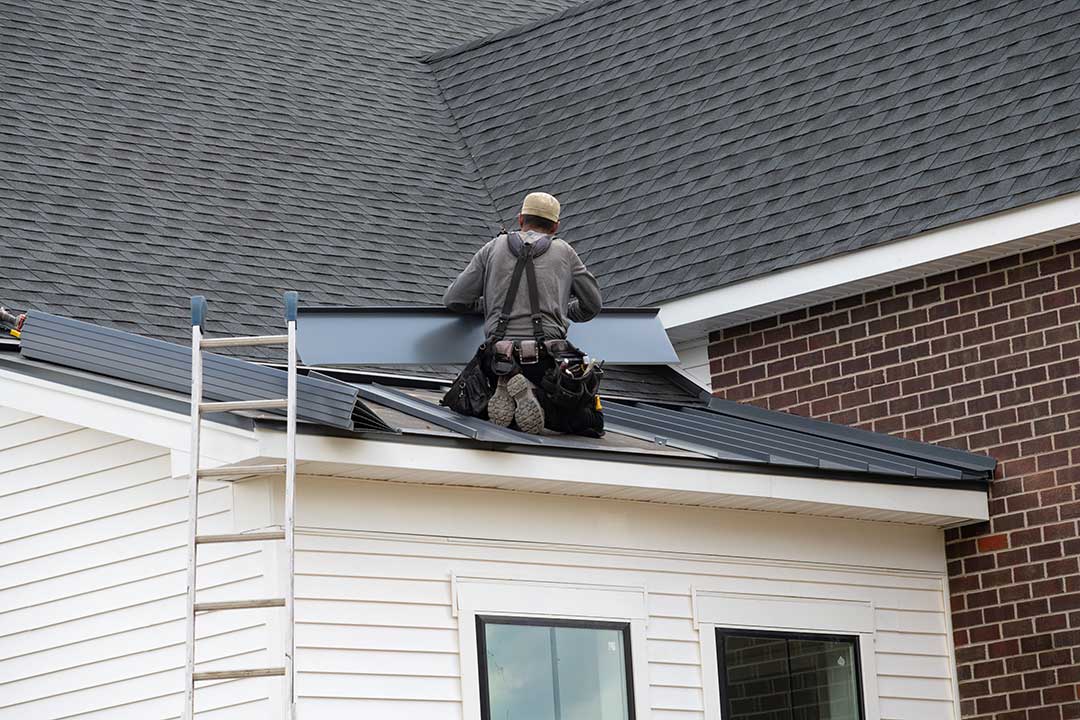
Attic fans and ridge vents, sized and installed correctly, can significantly extend the effective life of roofing systems exposed to intense sun and summer storms.
Which Homes in Sarasota Are Most Affected?
Any property with a closed attic space relies on ventilation, but certain factors make some homes more vulnerable:
- Older homes often have minimal or outdated vent systems
- Houses with complex rooflines or added extensions may have blocked or imbalanced air pathways
- Buildings surrounded by dense landscaping or with little shade can accumulate even more heat in their attics
Residents planning upgrades, additions, or re-roofing projects often benefit from checking current vent systems and adjusting them for the home’s specific size and shape.
Are There Common Misconceptions About Roof Ventilation?
Several myths circulate. Locally, some homeowners mistakenly believe:
- Roof vents are only useful in cold climates or for snow and ice removal.
- Adding more vents is always better—when in reality, proper balance between intake and exhaust is critical.
- Passive ventilation (vents alone) is enough for any roof, though some situations require a combination of passive and mechanical systems.
Another oversight is assuming that bathroom fans or kitchen vents exhausting into the attic do not affect roof performance. In reality, these introduce additional warm, damp air that can cause issues if not properly routed to the outside.
What Should Residents Watch for or Do Next?
Common warning signs that ventilation may need attention include:
- Noticeably hot upper-floor rooms, even when AC is running
- Signs of condensation or mildew on attic framing or insulation
- Shingles appearing to age at different rates
- Persistent musty smells near attic access points
Routine visual inspection of attic spaces, especially after storms, and checking for clear airflow at soffit and roof vents can help spot early issues. If significant mold, condensation, or sagging wood is observed, verifying ventilation design and attic airflow is a sound next step for maintaining a healthy, efficient home environment.