
 See My Latest Article on HelloNation
How Long Does a Typical Roof Last in Sarasota, FL?
Most residential roofs in Sarasota are designed for decades of service, but the harsh, humid subtropical climate impacts lifespan. Asphalt shingle roofs—common throughout the community—frequently last 15 to 25 years with routine maintenance. Tile and metal options can offer longer service, sometimes reaching 30–50 years under ideal conditions.
Heat, UV exposure, salt air, and seasonal storms are uniquely tough on local roofs. Even top-quality materials will deteriorate faster than in cooler, drier regions. Many Sarasota homeowners find their roofs need substantial repairs or full replacement earlier than anticipated, especially after major weather events.
What are the Most Common Signs of Roof Aging or Damage?
You can often spot warning signs before a failure occurs:
- Curled, cracked, or missing shingles
- Out-of-place or slipped roof tiles
- Consistent granules or debris in gutters and downspouts
- Sagging or uneven roof lines visible from the ground
- Visible daylight through the roof decking from your attic
- Evidence of repeated algae, moss, or mold patches (beyond normal Florida mildew)
- Blistering, bubbling, or split areas on flat roofs
In Sarasota, hurricane winds and tropical storms sometimes lift or shift sections faster than in less storm-prone places. Keep an eye out for new or spreading leaks after a weather event.
How Can I Tell if a Roof Leak Means Replacement is Needed?
Small, isolated leaks do not always require total replacement. However, widespread leaks or repeated moisture intrusion—especially after heavy rains or hurricanes—may mean the underlying roof materials or structure are failing.
Watch for:
- Water stains on ceilings or walls inside your home
- Peeling paint, bubbling drywall, or persistent musty odors
- Recurrent leaks at multiple locations
If leaks happen after every rain, or if the problem worsens rapidly despite repairs, the integrity of the system may be compromised. In Sarasota, year-round humidity makes even mild leaks prone to faster mold or wood rot.
How Do Local Climate and Storms Affect Roof Longevity?
Sarasota’s frequent rain, strong sunlight, high humidity, and seasonal storms all wear on roofs:
- UV rays break down shingles and underlayment, leading to brittle materials or warped tiles
- High winds and flying debris from thunderstorms or hurricanes cause sudden damage, especially to older roofs
- Salt air accelerates corrosion on metal fixtures and flashing near the coast
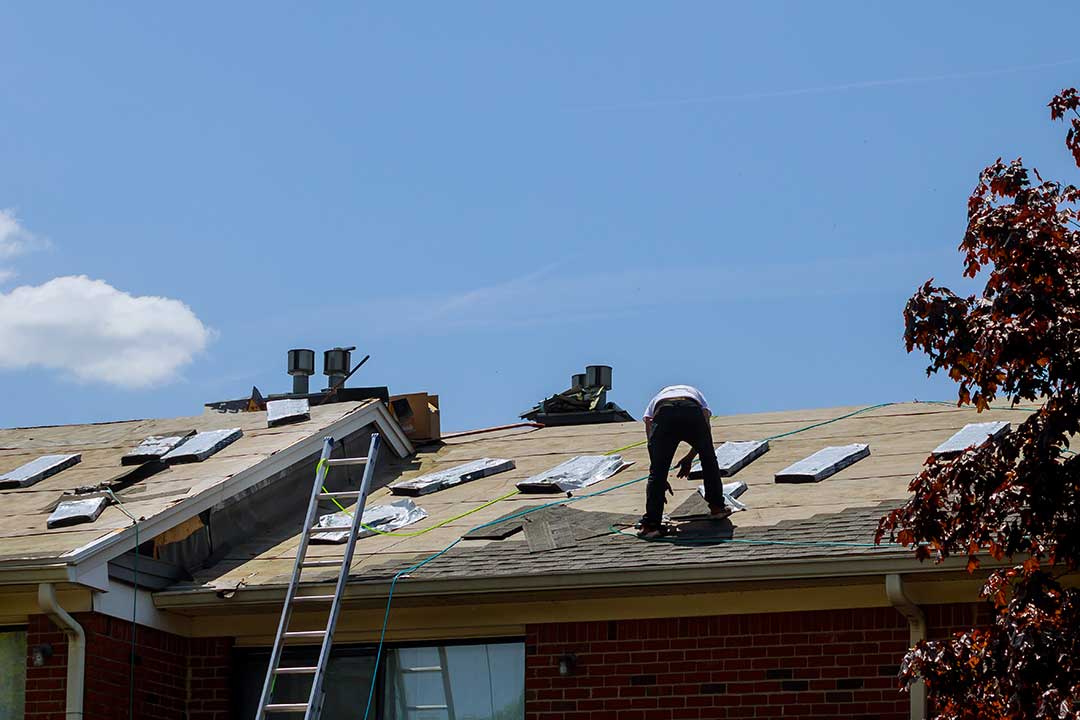
Even a newer roof may need earlier replacement than expected if repeatedly battered by storms, or if emergency repairs fail to address the root cause.
Are There Sarasota-Specific Regulations or Insurance Rules for Roof Replacement?
Florida building codes require roofing systems to meet strict wind resistance and installation standards. Insurers in Sarasota may request roof inspections or certifications, especially if the structure is 15 years old or more.
Some policies limit or deny coverage for homes with roofs that exceed a certain age—often about 20–25 years for shingle roofs, depending on the carrier. Unresolved damage or prolonged leaks may also lead to higher premiums or non-renewal.
Always check with your home insurer if unsure about how your roof’s age or condition might affect coverage.
What Mistakes Do Residents Commonly Make When Deciding on Roof Replacement?
A few frequent misunderstandings include:
- Waiting until major leaks or storm damage before considering replacement; small visible issues can become emergencies quickly
- Overestimating the lifespan of roofing based on other climates
- Overlooking subtle surface wear because the roof “looks OK from the ground”
- Assuming patch repairs will always extend the roof’s life indefinitely—sometimes, persistent problems are signs of deep structural failure
Local households sometimes skip recommended roof cleanings or gentle inspections due to “normal” moss or algae, but excess organic buildup can trap moisture and speed harmful deterioration in Sarasota’s climate.
What Should Sarasota Residents Do If Unsure About Roof Condition?
If you notice any warning signs but aren’t sure if replacement is required, begin by inspecting your attic and roofing after major storms, and check for visible damage from safe vantage points. Homeowners comfortable with basic roof and attic checks can often catch early signals.
However, if the roof is steep, high, or shows signs of severe weakness, accessing the roof is best left to those with proper safety gear and experience. In Sarasota, rapid weather changes mean even small roof problems can quickly escalate, so it’s best not to delay further investigation.