

 See My Latest Article on HelloNation
Why Do Local Homeowners Need Roof Inspections?
Regular roof inspections are essential for area households given the region’s weather extremes and humidity. High winds, hail, intense sun, and seasonal storms can wear down roofing materials and allow hidden leaks to take hold. Inspections help catch problems before water damage worsens or unwanted repairs become necessary.
Inspections may be requested after a major storm, during a home sale, or simply as part of ongoing home maintenance. Many insurance providers expect documentation from a licensed roof inspector when processing claims related to wind or hurricane damage.
What Actually Happens During an Inspection?
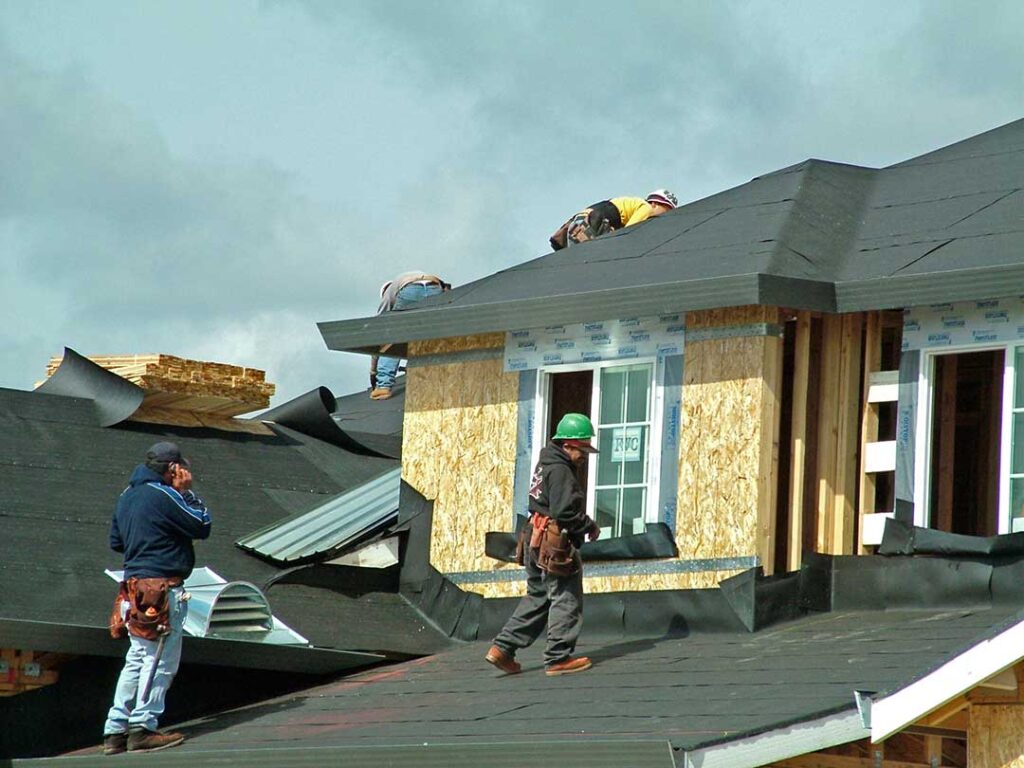
A roof inspection is a systematic check, both inside and outside your home. The process typically takes 45–90 minutes, depending on the roof’s size, pitch, and accessibility. Independent inspectors have a standard checklist but may focus on certain issues based on your roof type or specific local risks.
Expect the inspector to:
- Walk the roof’s surface if it’s safe and accessible
- Examine attic spaces
- Visually check gutters, flashing, vents, skylights, and penetrations
- Assess the condition of shingles or other roofing material
- Take photos to document trouble spots
How Does the Inspector Check for Leaks and Hidden Damage?
Inspections don’t just look for obvious holes. The inspector will also check for subtle signs of moisture, such as:
- Water stains on insulation or rafters in the attic
- Warped or sagging decking
- Areas with moss, algae, or excessive debris
- Soft or spongy spots underfoot, which could signal hidden rot
Sometimes, thermal cameras or moisture meters are used in especially humid climates like Sarasota to spot problem areas invisible to the naked eye. These non-destructive tools help reveal leaks before major water entry occurs.
What Issues Are Most Commonly Found in the Area?
The Gulf Coast’s distinctive combination of high UV index, salt air, and severe storms produces some typical trouble spots:
- Shingle granule loss and curling from sun exposure
- Fastener or flashing corrosion due to salt and moisture
- Minor shingle displacement or missing shingles after wind events
- Clogged gutters from seasonal leaf drop and palm fronds
- Mold or algae streaks, which can mask underlying decay
Older homes, low-slope roofs, or properties shaded by live oaks may see more persistent moss and staining requiring closer attention.
Will the Inspector Need to Go Inside My House?
Usually, yes—the attic is a valuable source of evidence for any potential roof problem. Don’t be surprised if the inspector asks to access your attic hatch, utility areas under the roofline, or upstairs ceilings. They may use a flashlight or phone camera to document insulation, rafter stains, ventilation, and daylight leaks.
If you have vaulted ceilings without attic access, an inspector may rely more on an external survey, looking for roof surface depressions, loose flashing, or missing materials from outside.
Is the Process Disruptive or Messy?
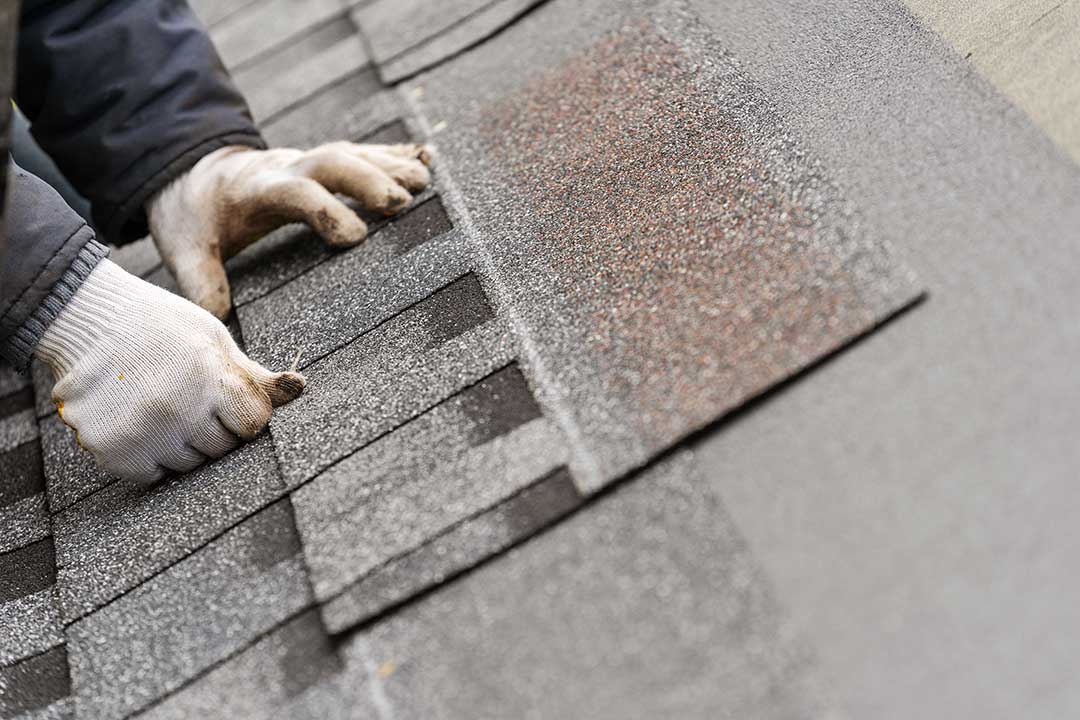
Inspections are generally quiet and minimally invasive. Most assessments don’t disturb the house’s occupants or its contents. Ladders may need to be placed in the yard or driveway. Inspectors usually wear soft-soled shoes when walking on the roof to avoid further damage.
Inspection is visual—no roof materials should be removed or damaged in a standard review. If intrusive methods (like core sampling) are discussed, these are only used in rare cases, often for commercial or flat roofs.
How Will I Get the Inspection Results?
You’ll typically receive a written report summarizing the findings, with photos of key issues and clear explanations. Many local inspectors provide digital copies via email.
Expect to see:
- An overview of your roof’s condition
- A checklist with “pass,” “monitor,” or “needs repair” ratings for each aspect
- Photos and descriptions of any trouble spots
- Recommendations for next steps, if needed
This documentation is valuable for planning preventive maintenance or, if necessary, working with insurance if recent storm damage is suspected.
Are There Misconceptions About Roof Inspections?
Many residents believe a visual walk-around is enough. However, issues such as slow leaks, poorly installed flashing, or underlayment damage are often invisible from the ground. Another misconception is that new roofs don’t need inspection—early detection of minor errors or weather impacts can prevent warranty disputes and costly repairs.
It’s also a mistake to assume that visible mold or moss is only a cosmetic problem. In the humid, subtropical climate here, surface growth can quickly compromise roofing materials and signal more significant underlying moisture intrusion.
What Should Sarasota Residents Do to Prepare?
Preparation makes the process smoother:
- Clear vehicles or outdoor furniture near likely ladder spots
- Make sure attic or upper storage spaces are accessible
- Secure pets, especially if the inspector will need to work in the yard or indoors briefly
Homeowners don’t need to be on the roof or accompany the inspector for the exterior check. Asking questions and reviewing the inspection report carefully is the best way to make use of the findings.