

 See My Latest Article on HelloNation
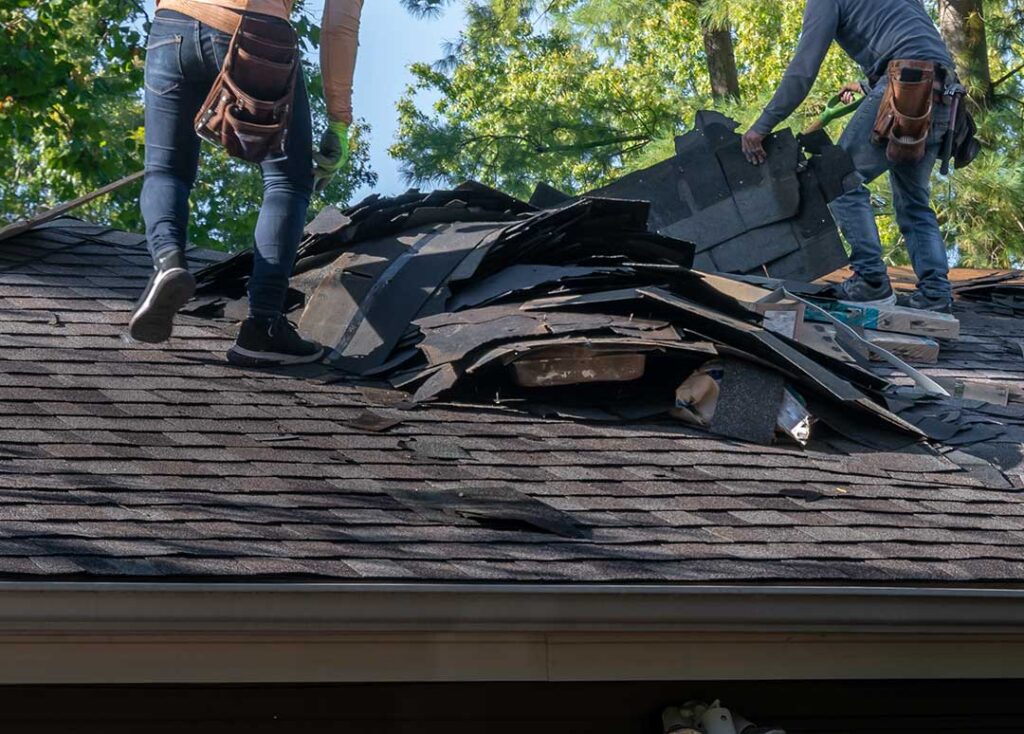
Winter roof preparation in Sarasota, FL is less about snow and ice and more about managing rain, wind, humidity, cooler temperatures, and the effects of Florida’s long storm season. A roof that looks fine from the ground can still have loose flashing, blocked drainage, worn sealant, or small openings that become noticeable during a winter cold front.
Preparing before the wet and windy part of the season helps reduce interior leaks and makes it easier to spot problems while conditions are manageable.
What does “winter roof preparation” mean in Sarasota?
For local households, winter preparation usually means checking the roof’s ability to shed water and resist wind-driven rain. Sarasota winters can bring changing conditions, including dry periods interrupted by cold fronts and heavier rainfall. ([weather.gov](https://www.weather.gov/tbw/ENSOWinter?utm_source=openai))
The most useful preparation includes:
- Clearing roof drainage paths
- Checking visible shingles, tiles, or metal panels
- Inspecting flashing around openings and roof edges
- Looking for signs of moisture in the attic and ceilings
- Trimming nearby vegetation
- Securing or documenting rooftop equipment
- Addressing storm damage before another weather system arrives
This work is especially relevant for older homes, properties with large tree canopies, low-slope roof sections, and houses that experienced wind or rain during the previous storm season.
How should gutters, downspouts, and roof drainage be checked?
Blocked drainage is one of the most common causes of avoidable roof-related water problems. Leaves, palm debris, pine needles, and small branches can collect in gutters, valleys, scuppers, and roof drains.
Water should move away from the roof and foundation without overflowing at corners or backing up against walls. Check that:
- Gutters are firmly attached and not pulling away from the fascia
- Downspouts discharge away from the home
- Elbows and extensions are not clogged
- Roof valleys are free of packed leaves and debris
- Drain strainers and scuppers are unobstructed
- Water is not staining exterior walls below a roof edge
Flat or low-slope sections deserve particular attention because standing water may remain after a storm. Do not walk on fragile roofing materials or climb onto a wet roof to perform this inspection. A ground-level review with binoculars is safer, and roof access should be limited to people equipped and trained for the task.
What roof damage should homeowners look for?
A roof inspection should focus on changes, not just obvious holes. Small defects can allow wind-driven rain to enter beneath the roof covering.
From the ground, look for:
- Missing, lifted, cracked, or curled shingles
- Shifted, broken, or missing tiles
- Loose or corroded metal panels and fasteners
- Damaged ridge caps or roof-edge materials
- Gaps around vents, skylights, chimneys, and pipes
- Torn or deteriorated flashing
- Sagging roof lines
- Loose gutters or fascia boards
- Exposed underlayment or dark areas that remain after surrounding surfaces dry
Different roof types show wear differently. Asphalt shingles may lose granules and become brittle under prolonged sun exposure. Tile roofs can develop cracks or movement after wind events. Metal roofs may show failed fasteners, rust, or separated sealant at penetrations.
A cracked tile should not automatically be treated as a minor cosmetic issue. Water can travel beneath adjacent tiles before appearing inside the home.
How can moisture problems be found from inside the house?
The attic and upper ceilings often reveal roof problems before a leak becomes severe. Inspect after rainfall if possible, because active moisture may be easier to identify.
Look for:
- Damp insulation
- Dark wood or water staining
- Musty odors
- Mold-like growth
- Rusted nails or metal connectors
- Daylight visible through the roof deck
- Peeling paint or bubbling drywall
- Water marks around ceiling fixtures or exterior walls
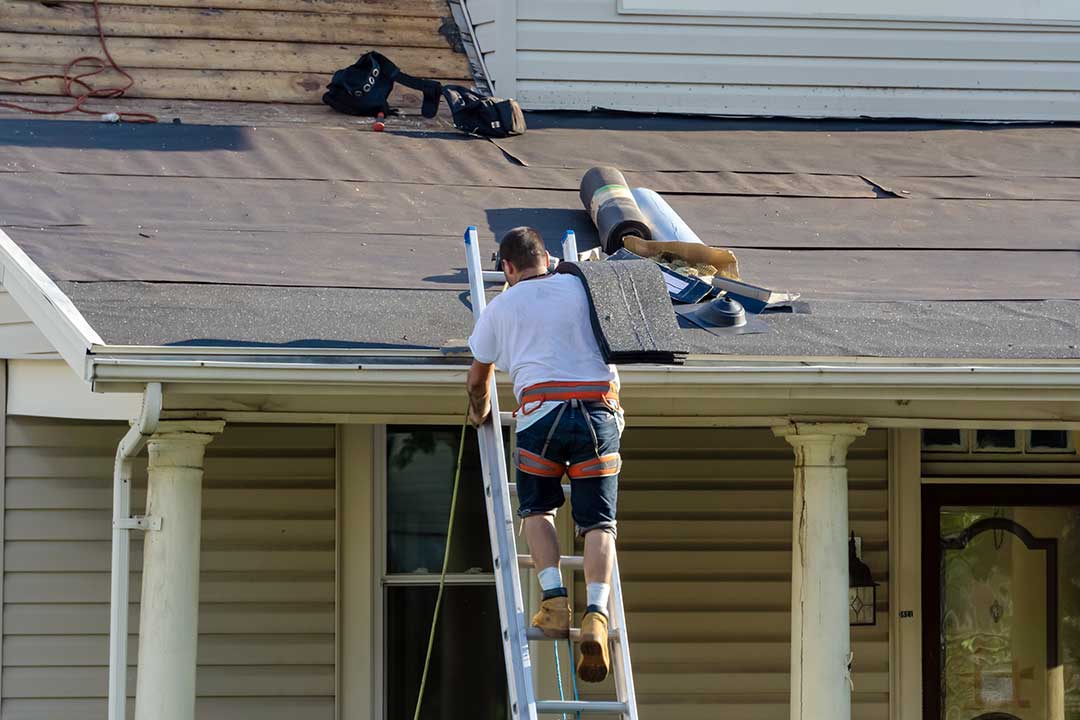
Not every ceiling stain means the roof covering has failed. Plumbing, air-conditioning components, and condensation can also create moisture. The useful question is whether the stain changes after rain, grows over time, or appears near a roof penetration.
Any electrical fixture affected by water should be treated cautiously. Avoid touching wet electrical components, and address the source promptly.
Do trees and landscaping affect winter roof performance?
Yes. Trees near the home can drop leaves and branches onto the roof, clog drainage, scrape roof coverings, and create windborne debris during a cold front.
Branches should not rest on the roof or rub against roof edges. Overhanging limbs also deserve attention if they are dead, cracked, or positioned above a bedroom, driveway, or frequently used walkway.
Roof preparation does not mean removing every nearby tree. It means reducing predictable contact and keeping drainage areas clear. Tree work can be hazardous, particularly near power lines, steep roofs, or large limbs.
Should roof vents and attic ventilation be checked?
Roof vents should remain open and intact, but they should not be treated as an invitation for rain or pests to enter. Check for loose vent covers, damaged screens, deteriorated sealant, and visible rust.
Attic ventilation helps manage heat and moisture, but adding vents without considering the existing system can create imbalances. Blocked soffit vents, compressed insulation, or poorly sealed penetrations may contribute to condensation even when the roof itself is sound.
In Sarasota’s humid climate, attic moisture can be mistaken for a roof leak. The timing matters: condensation may appear during cooler weather even without rainfall, while a roof leak usually becomes more noticeable after rain or wind-driven weather.
What should be done after a storm before winter weather continues?
After a significant wind or rain event, inspect the property from the ground and document visible changes with dated photographs. Check ceilings, attic areas, gutters, screens, and nearby trees.
Do not make temporary repairs that require walking on damaged roofing unless there is no safer option and the person performing the work understands the risks. Tarps, ladders, wet surfaces, and unstable tiles can cause serious falls.
If emergency protection is needed, keep people away from affected areas inside the home and prevent additional water exposure where safely possible. Roof repairs, reroofing, and other construction work may require permits under local rules. Sarasota County identifies roofing work and reroof permits within its building-permitting system, and current requirements should be verified before construction begins. ([scgov.net](https://www.scgov.net/government/planning-and-development-services/online-permitting?utm_source=openai))
Florida’s hurricane retrofit guidance also emphasizes the importance of roof attachment, secondary water barriers, and proper installation in high-wind conditions. ([apps.floridadisaster.org](https://apps.floridadisaster.org/hrg/content/roofs/reroof.asp?utm_source=openai))
Does a roof need special protection from cold weather?
Usually, no winterization products are needed for a typical Sarasota home. Snow guards, heat cables, and freeze-protection measures common in colder climates generally do not apply to most local roofs.
The more relevant concerns are:
- Wind-driven rain during cold fronts
- Debris accumulation
- Temporary standing water
- Sealant failure around penetrations
- Condensation in poorly ventilated attics
- Damage left unrepaired after tropical weather
- Outdoor items striking the roof during strong winds
A practical seasonal check should be completed before the roof is exposed to repeated rain and wind, then repeated after any notable storm. The goal is not to make a roof weatherproof forever; it is to identify small problems before they become interior damage, structural deterioration, or a safety emergency.