

 See My Latest Article on HelloNation
How Does Your Roof Affect Energy Efficiency?
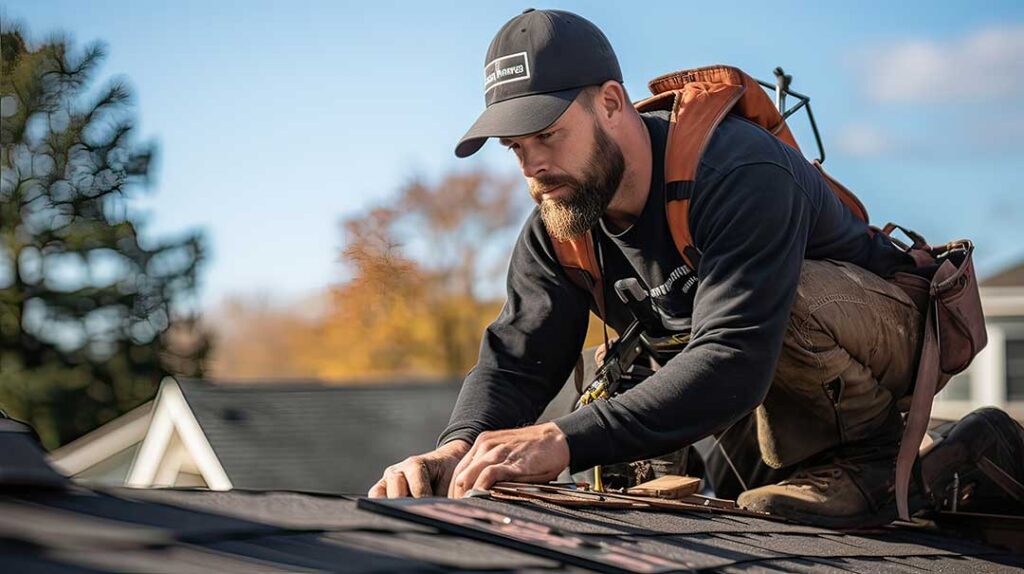
The roof is one of the main factors influencing how much heat enters or leaves your home. In Sarasota, FL, where summer sun and humidity are the norm, the materials, color, and condition of your roof all play a role in staying comfortable without driving up utility bills. A roof that’s designed or maintained with energy efficiency in mind can significantly reduce cooling costs, especially during long stretches of hot weather.
What Types of Roofs Perform Best in Warm, Humid Climates?
For homes in Sarasota, roofs that reflect sunlight and release collected heat tend to keep interiors cooler. The best-performing options often include:
- Reflective or "cool" roofing materials: These are designed to bounce more sunlight away.
- Lighter-colored shingles or tiles: Lighter surfaces absorb less heat, keeping attic spaces cooler.
- Clay or concrete tiles: Common in the area due to their durability and natural air circulation properties.
- Metal roofs with special finishes: Modern coatings can reflect substantial amounts of sunlight and release heat quickly.
Not every material will fit every home’s architectural style or budget, but these are the most frequent choices for maximizing energy efficiency under local conditions.
Does Roof Color Really Make a Difference?
Yes, color significantly affects roof temperature. Light-colored roofs can be up to 50°F cooler on the surface than darker ones under Florida sun. This difference can lower attic temperatures and lessen the need for air conditioning. In practice, Sarasota homeowners often notice lower indoor temperatures and reduced cooling cycles just by updating old, dark shingles to a lighter alternative.
What About Roof Ventilation and Insulation?
Proper attic ventilation and insulation work together with your roof to manage heat flow. In Sarasota, humid summers can mean attics get extremely hot and moisture-prone. Quality insulation slows heat transfer from the roof to living spaces, while vents prevent heat and moisture buildup.
- Look for balanced intake (soffit) and exhaust (ridge or gable) vents.
- Check attic insulation levels and aim for standards set for Florida homes (typically R-30 or higher).
- Avoid covering or blocking vents with storage or clutter.
Keeping attics cool and dry not only improves energy efficiency but also helps prevent mold growth and structural issues from trapped humidity.
Are There Local Requirements or Incentives for Energy-Efficient Roofing?
Florida’s building codes require certain levels of energy performance for roofing, especially for new construction and significant renovations. Reflective roofing materials and adequate insulation are often mandated. Local residents should check with the Sarasota Building Department for any updates, as codes may change to reflect new research or state-level regulations. While incentive programs come and go, occasionally there are utility or state-backed rebates for installing reflective or energy-efficient roofing features, especially after hurricanes or storms.
Do Solar Panels or Green Roofs Improve Efficiency?
Solar panels convert sunlight into electricity rather than letting the roof absorb it as heat. This dual use reduces demand on the power grid and can help keep roof temperatures lower immediately under the panels. While true “green roofs” (vegetation-covered) are less common in Sarasota because of climate and maintenance, solar installations paired with cool roof materials offer a practical way to combine energy generation with passive cooling.
Can Simple Maintenance Help with Energy Efficiency?
Basic upkeep can keep a roof performing its best:
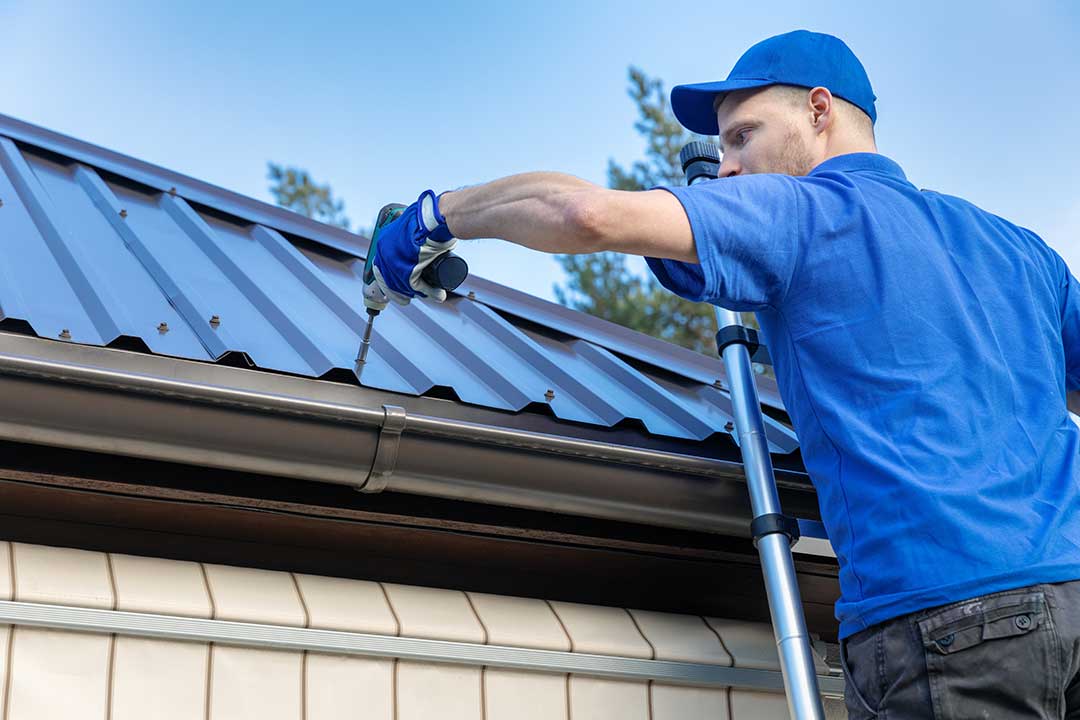
- Regularly remove leaves and debris: Build-up traps moisture and heat.
- Replace damaged shingles or tiles promptly: Holes or gaps can allow heat and humidity into attics.
- Check for mold or algae: Growth on surfaces can degrade reflectivity, making roofs hotter.
Simple actions like these may not seem dramatic but can prevent small efficiency losses from building up over time.
Are Metal Roofs Noisy or Too Hot in Sarasota?
A common misconception is that metal roofs get extremely hot or make homes louder during rain. In reality, metal roofs with proper coatings and insulation can reflect more sunlight than traditional shingles, often resulting in lower attic temperatures. With underlying insulation, noise from rainfall is rarely noticeable inside. The longevity and energy efficiency of metal make it a popular and misunderstood choice in this climate.
How Can Homeowners Tell if Their Roof Is Hurting Energy Bills?
Warning signs of an inefficient roof can include:
- Hot or stuffy rooms on the upper floors
- Higher-than-expected summer utility bills
- Excessive use of air conditioning to keep comfortable
- Visible wear, discoloration, or missing roof materials
Area residents who notice these issues may benefit from a roof inspection focused on energy efficiency—even small improvements can make a measurable difference in local conditions.