

 See My Latest Article on HelloNation
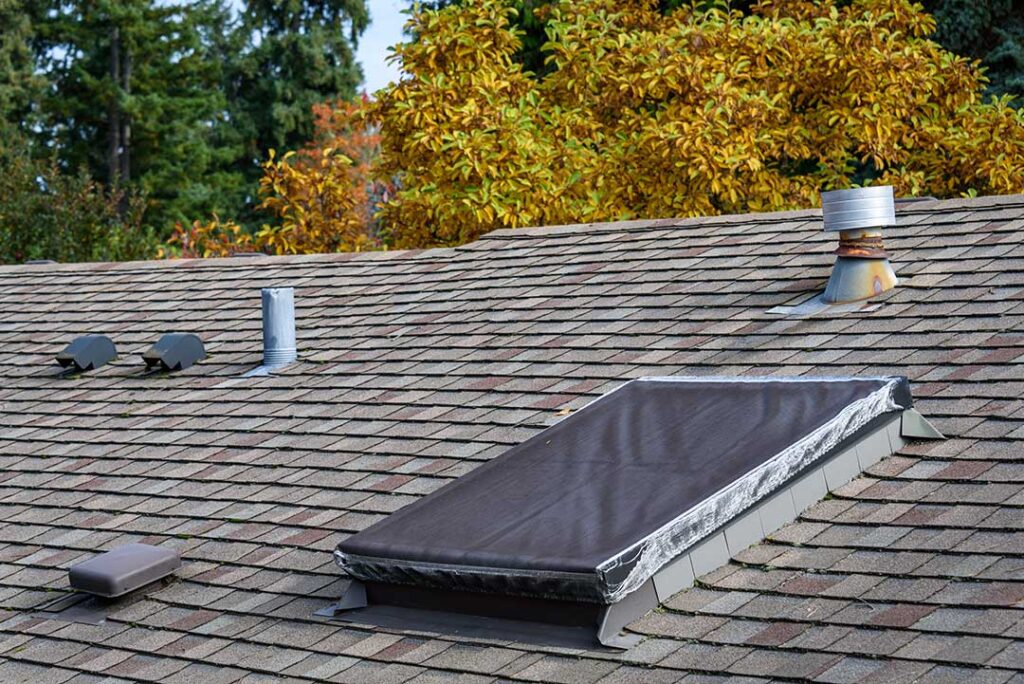
Tree limbs are a familiar part of many Sarasota, FL neighborhoods, but branches near a home can create several roof problems even before a major storm. Falling limbs may break roofing materials, while smaller branches, leaves, and rubbing twigs can cause gradual damage that is easy to overlook.
Understanding how tree growth affects a roof helps residents recognize warning signs, reduce preventable risks, and respond appropriately after severe weather.
How can tree limbs damage a roof?
Tree limbs can harm a roof through impact, repeated rubbing, trapped moisture, and blocked drainage. The severity depends on the limb’s size, condition, height, angle, and proximity to the structure.
Common types of damage include:
- Broken or displaced shingles
- Cracked or punctured roof coverings
- Damaged flashing around vents, skylights, chimneys, or roof edges
- Dented or loosened metal roofing panels
- Scraped protective coatings
- Crushed gutters and downspouts
- Punctures in screens, soffits, or roof ventilation components
A large limb can cause immediate structural damage. Smaller branches may scrape the roof surface during windy conditions, gradually wearing away protective granules or surface coatings. This kind of repeated contact can shorten the service life of otherwise functional roofing materials.
Why are overhanging branches a concern even if they have not fallen?
Branches do not need to fall to create a roofing problem. Limbs that rest on or repeatedly touch the roof can rub against the surface as wind moves the tree. That movement may expose roofing material to abrasion, especially along ridges, slopes, and roof edges.
Overhanging branches also drop leaves, seed pods, twigs, and other organic debris. Debris can collect in roof valleys, behind rooftop equipment, or along gutter lines. When wet, it holds moisture against the roofing system. Persistent dampness can contribute to staining, surface deterioration, corrosion of exposed metal, and decay in nearby wood components.
Branches close to the roof may also provide access for squirrels, birds, and other animals. Openings around damaged flashing, vents, or soffits can become easier for wildlife to find and enlarge.
What types of trees and limbs create the greatest risk?
The greatest concern is not simply a particular tree species. Risk is more closely related to the tree’s health, structure, location, and exposure to wind.
Warning signs include:
- Dead branches with no leaves
- Cracked or split limbs
- Hanging branches
- Branches with visible decay or hollow areas
- Limbs growing directly over a roof
- Heavy vines or other vegetation attached to branches
- A tree leaning toward the home
- Weak branch junctions, especially where limbs form narrow angles
- Broken limbs left behind after a storm
Sarasota’s exposure to tropical weather and strong seasonal storms can make existing tree weaknesses more significant. Saturated soil may reduce root stability, while wind can place sudden force on branches that appeared secure under normal conditions.
Palm fronds, dead branches, and loose vegetation can become airborne during high winds. Even lightweight material may damage roof surfaces, vents, gutters, windows, or outdoor equipment when carried by strong gusts.
How does debris affect gutters and roof drainage?
Tree debris can interfere with the roof drainage system. Leaves and small twigs may block gutters, downspouts, or internal drainage paths, causing water to back up during heavy rain.
Overflowing water can affect:
- Fascia boards and soffits
- Exterior walls
- Window and door openings
- Attic insulation
- Crawl spaces or interior ceilings
- Soil near the foundation
Roof valleys deserve particular attention because they naturally concentrate water and often collect windblown debris. A valley that appears only lightly covered may still drain poorly if material has compacted beneath the visible layer.
Gutters can also become heavy when filled with wet leaves. That added weight may pull fasteners loose or cause the gutter to sag, reducing its ability to direct water away from the building.
What roof damage should residents look for after a storm?
A ground-level inspection can reveal obvious problems, but not every roof issue is visible from below. After strong winds or nearby limb failure, look for:
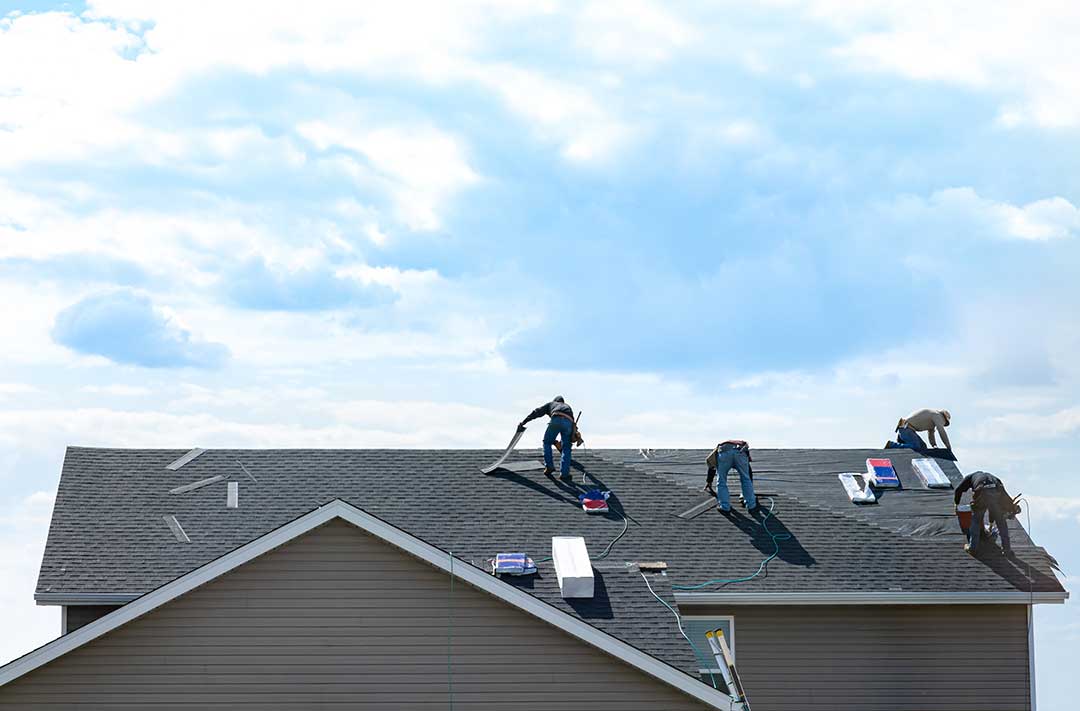
- Shingles or roofing pieces in the yard
- New stains on ceilings or upper walls
- Water dripping from light fixtures or attic areas
- Visible gaps, lifted materials, or dark patches
- Broken vents, pipe boots, or flashing
- Damaged gutters or downspouts
- Fresh daylight visible through the attic roof deck
- Sawdust, leaves, or animal activity near roof openings
Do not climb onto a wet, damaged, or steep roof to inspect it. A branch may have weakened the roof deck, and hidden electrical hazards may be present if water has entered around wiring or fixtures. Interior stains may also appear far from the actual point of entry because water can travel along rafters, insulation, and framing.
If a limb is resting on the roof, remains suspended above the structure, or has brought down a power line, keep people away from the area. Such conditions can shift without warning.
Can pruning prevent tree limb roof damage?
Pruning can reduce risk when it is performed carefully and at appropriate intervals. Removing dead, weak, or rubbing branches may help keep limbs away from the roof and improve visibility around gutters and roof edges.
However, cutting large limbs incorrectly can make a tree less stable or create new decay points. Removing too much live growth at once may also stress the tree. Branches near power lines, large elevated limbs, and damaged trees require special caution because the work may involve falling wood, ladders, unstable surfaces, or energized equipment.
Tree maintenance should be considered separately from roof repair. Trimming a branch does not correct existing roof damage, and replacing a roof does not resolve an unstable tree beside the structure.
Are roof coatings or repairs enough to solve the problem?
Roof repairs address damage that has already occurred, but they do not remove the source of repeated impact or abrasion. A patched area may remain vulnerable if branches continue to strike the same location.
Likewise, a roof can appear intact while flashing, ventilation components, gutters, or the roof deck have been affected. After a significant limb impact, the visible surface is only one part of the system that may need examination.
Small defects deserve attention because Sarasota’s heavy rain can quickly test openings that seem minor during dry weather. Temporary measures may limit water entry, but materials such as tarps, sealants, or replacement pieces must be used appropriately for the type and location of damage.
How can homeowners reduce future problems?
A practical prevention routine includes:
- Keeping dead and unstable limbs away from roof areas
- Watching for branches that touch the roof during ordinary wind
- Clearing visible debris from accessible gutters and valleys safely
- Checking attic spaces for moisture after major storms
- Reviewing nearby trees before hurricane season and after extreme weather
- Keeping roof drainage paths clear
- Avoiding storage or foot traffic on areas that may already be weakened
Tree limbs are part of the normal landscape around many homes, but their relationship to the roof should be monitored. Early attention to rubbing branches, blocked drainage, and storm-damaged limbs can help distinguish a manageable maintenance issue from a developing roof emergency.