

 See My Latest Article on HelloNation
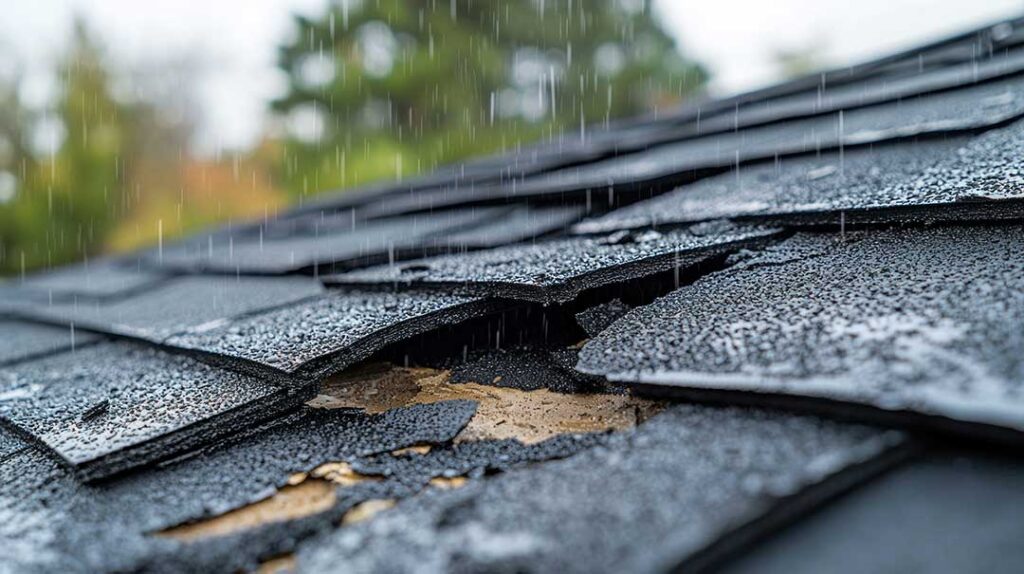
Storm damage is not always obvious from the ground. In Sarasota, FL, heavy rain, strong wind, flying debris, and salt-laden air can affect shingles, tile, metal panels, flashing, gutters, roof vents, and the areas beneath the roof covering. A careful inspection can help identify problems early while reducing the risk of falls and electrical hazards.
Is it safe to inspect the roof after a storm?
The safest first step is a ground-level inspection. Do not climb onto the roof if surfaces are wet, winds remain strong, lightning is nearby, tiles are loose, power lines are down, or the structure appears unstable.
A storm can create hazards that are not visible at first glance, including:
- Slippery algae, wet shingles, and loose granules
- Broken or shifting tile
- Exposed nails, sharp metal, and splintered wood
- Damaged skylights or roof openings
- Downed electrical wires
- Standing water on low-slope roof areas
- Weak spots caused by hidden water intrusion
Use binoculars or a phone camera with a zoom function from the ground. A ladder should only be used on stable, level ground, away from overhead wires, and only if the person using it is comfortable doing so. Do not step onto a roof simply to obtain a closer look.
What should be checked from the ground?
Walk around the entire property and compare what the roof looks like now with older photographs, if available. Look for changes in the roofline, missing materials, and debris in places where it does not normally collect.
Check for:
- Shingles that are missing, lifted, creased, or visibly torn
- Tile that is cracked, displaced, or lying in the yard
- Metal panels with new dents, bends, punctures, or lifted seams
- Sections of the roof that appear uneven or sagging
- Missing ridge caps or loose flashing
- Damaged vents, pipe boots, skylights, and satellite mounts
- Tree limbs or other objects resting on the roof
- Granules collecting heavily near downspouts
- Gutters or downspouts that are detached, bent, or pulling away
- Fascia, soffit, or trim that has separated from the structure
A few leaves or small branches do not necessarily indicate roof damage. The concern is whether an object struck the roof, blocked drainage, or disturbed the roof covering.
How can you tell if wind damaged shingles?
Wind damage often appears as lifted edges, missing shingles, or shingles that no longer lie flat. Creases may be visible near the middle of a shingle where wind folded it upward. Dark or irregular patches can indicate that the protective surface has been scraped away.
Do not assume a roof is undamaged because the shingles are still present. A shingle may remain attached while its adhesive seal has failed. It may also be loosened around the nails or lifted along one edge.
Avoid applying roofing cement, caulk, or other temporary materials from a ladder unless there is an immediate need to limit water entry and the work can be done safely. Improvised repairs can conceal the location of damage and may make later repairs more difficult.
What damage is common on tile and metal roofs?
Tile roofs can suffer from cracks, chips, sliding, and broken fasteners. Some damage is easy to see from the ground, but hairline cracks may not be visible without close inspection. Walking on tile can cause additional breakage, especially when the wrong areas are stepped on.
Metal roofing may show dents from debris, punctures, separated seams, loose fasteners, or damaged coatings. A small opening around a fastener or seam can allow water to enter even when the larger panel appears intact.
Look at the roof edges, ridges, valleys, and areas around vents. These locations often experience more wind movement and contain transitions where water can enter if flashing shifts.
How do you check the attic or ceiling for leaks?
Inspect the attic only if it can be entered safely. Use a flashlight, watch where you step, and stay on walk boards or structural framing. Do not step on the ceiling material between joists.
Look for:
- Damp insulation
- Dark stains on wood
- Fresh water droplets
- Rusted nails or fasteners
- Mold-like growth
- A musty odor
- Daylight visible through the roof
- Wet ductwork or electrical components

A leak may not appear directly below the damaged area. Water can travel along roof decking, rafters, insulation, or ceiling framing before becoming visible inside the home.
Inside the living areas, inspect ceilings, upper walls, closets, and rooms below roof penetrations. Yellow-brown stains, bubbling paint, peeling drywall, and soft areas may indicate water intrusion. A ceiling stain that appears several hours after the storm can still be related to the storm rather than a separate plumbing problem.
If water is near light fixtures, outlets, switches, or electrical equipment, avoid touching the affected area. If it is safe to do so, turn off power to the affected circuit and keep people away until the electrical hazard has been evaluated.
What should be checked around gutters and drainage?
Roof drainage problems can cause damage even when the roof covering looks intact. Heavy rainfall can quickly expose blocked or disconnected drainage components.
Inspect gutters, downspouts, scuppers, drains, and splash areas for:
- Leaves, palm material, and storm debris
- Sections that are sagging or detached
- Water stains on exterior walls
- Soil erosion below downspouts
- Overflow marks along the fascia
- Standing water that remains after rainfall
- Debris covering roof drains or overflow outlets
Do not remove debris from a roof drain if doing so requires walking onto an unsafe roof. Blocked drainage can be especially serious on low-slope sections, enclosed patios, and additions where water has fewer paths to escape.
How should storm damage be documented?
Take clear photographs from the ground and from inside the home. Photograph the overall roof first, then take closer images of individual problems. Include gutters, downspouts, attic areas, ceilings, walls, fallen limbs, and damaged exterior materials.
Written notes can make the inspection more useful. Record:
- The date and approximate time of the storm
- Visible wind, hail, or heavy rain conditions
- When leaks or interior stains first appeared
- Which rooms or roof sections are affected
- Whether damage is new or may have existed previously
- Temporary steps taken to limit water entry
Keep damaged materials if they can be stored safely, but do not place yourself at risk to retrieve them. If an insurance claim may be involved, avoid permanently discarding damaged items before documenting them and reviewing the policy requirements.
When does a roof problem require urgent attention?
Immediate action is warranted when there is active interior leaking, a large opening, structural sagging, a fallen tree, exposed wiring, or water near electrical components. Move furniture and belongings away from the affected area if safe, place containers under drips, and avoid entering areas with visible structural damage.
A qualified roofing or building professional may be necessary when the roof cannot be safely inspected from the ground, when damage involves structural components, or when the source of a leak is unclear. A licensed electrician should evaluate storm-related electrical hazards, particularly where water has reached wiring or fixtures.
In coastal conditions, wind and rain damage can combine with existing wear, corrosion, and aging sealants. That is why a roof that appears mostly intact may still need closer evaluation after a severe storm.